

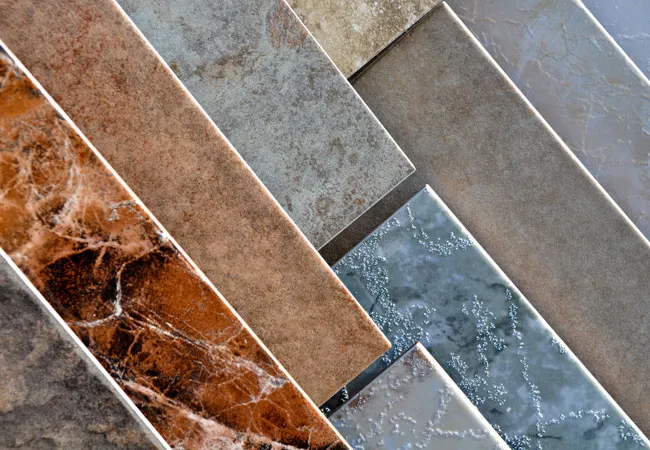
Choosing the right tile can transform a space from basic to breathtaking. Yet, when it comes to flooring, the debate often boils down to porcelain tiles versus ceramic tiles. Both offer style and durability, but their differences can impact not just the look, but also the longevity and maintenance of your floors.
Understanding Porcelain and Ceramic Tiles
Tiles may look similar at first glance, but their composition and manufacturing set them apart.
What Are Porcelain Tiles? Composition and Manufacturing
Porcelain tiles are crafted from finer, denser clay and fired at higher temperatures. This process creates a tile that is stronger, less porous, and more resistant to water. The result? A material that often mimics natural stone, wood, or even concrete with an impressive variety of finishes.
What Are Ceramic Tiles? Composition and Manufacturing
Ceramic tiles, on the other hand, use a coarser clay and are fired at lower temperatures. This results in a softer, more porous tile. Despite this, ceramic tiles are no slouch in terms of design flexibility and cost-effectiveness. They tend to come with vibrant glazes and a wide array of patterns.
Key Differences in Material and Production Processes
These foundational differences shape everything from appearance to performance. Porcelain’s denser body makes it tougher and more water-resistant, while ceramic’s lighter structure means easier cutting and sometimes simpler installation.
Performance and Durability Comparisons
Flooring endures daily wear, spills, and scrapes, so understanding how these tiles stack up is crucial.
Water Absorption and Resistance to Moisture
Porcelain wins the moisture battle. It absorbs less than 0.5% of water, making it ideal for bathrooms, kitchens, and even outdoor patios. Ceramic, with its higher absorption rate, fares better in dry, indoor spaces.
Hardness, Strength, and Wear Resistance
Porcelain tiles are harder and resist scratches better than ceramic. This makes them a solid choice for busy households or commercial spaces where durability is non-negotiable.
Impact of Durability on Flooring Longevity
A tougher tile means a longer-lasting floor. Porcelain’s strength translates to better resistance against chips and cracks, especially in high-traffic areas.
Suitability for High-Traffic Areas
If your entryway or kitchen sees a parade of feet each day, porcelain stands up to the challenge. Ceramic is suitable for lower-traffic areas like bedrooms and offices.
| Feature | Porcelain Tile | Ceramic Tile |
|—————————-|—————————|—————————–|
| Water Absorption | <0.5% | >5% |
| Hardness | High | Medium |
| Ideal Use Areas | Indoors & Outdoors | Primarily Indoors |
| Wear Resistance | Excellent | Good |
| Cutting Difficulty | Harder to Cut | Easier to Cut |
Aesthetic Qualities and Design Options
Design matters just as much as performance when it comes to flooring.
Variety of Colors, Patterns, and Finishes
Both types offer a kaleidoscope of colors and finishes. Porcelain shines with realistic stone effects and wood looks, while ceramic dazzles with brighter hues and playful patterns.
Surface Textures and Styles: Matte, Glossy, and More
From the soft touch of a matte finish to a reflective glossy surface, options abound in both categories. Porcelain, however, tends to offer more texture varieties, perfectly echoing natural materials.
How Design Trends Influence Tile Choice
Minimalist interiors lean toward large-format porcelain with subtle veining, while eclectic spaces may embrace bold ceramic patterns for a creative punch.
Matching Tiles with Different Interior Styles
Porcelain tiles can bring an air of luxury to modern and traditional settings alike. Ceramic tiles are a favorite for kitchens and bathrooms where color and charm are paramount.
Installation and Maintenance Considerations
A beautiful tile means little if the installation is a nightmare or upkeep is too demanding.
Installation Requirements and Complexity
Ceramic tiles are generally easier and less expensive to install, thanks to their softer material. Porcelain, being denser, may require specialized cutting tools and skilled labor.
Cost Factors: Material and Labor
Porcelain typically costs more upfront, both for the tile and installation. Ceramic tends to be more budget-friendly overall.
Cleaning and Upkeep: What to Expect
Both are easy to clean, needing just regular sweeping and occasional mopping. Porcelain’s low porosity offers a slight edge by resisting stains more effectively.
Repair and Replacement Challenges
Ceramic tiles can often be cut and replaced with less hassle. Porcelain repairs may require more effort due to their hardness and color-through composition.
Environmental Impact and Sustainability
Sustainability is top-of-mind for modern consumers.
Manufacturing Footprint of Porcelain vs Ceramic
Porcelain’s high-temperature firing uses more energy, resulting in a larger carbon footprint compared to ceramic.
Longevity and Lifecycle Assessment
While porcelain requires more resources to produce, its extended lifespan may offset some of that initial impact.
Eco-Friendly Certifications and Options
Some manufacturers now offer recycled content and certifications for both tile types. Always check for environmental labels when selecting tiles.
Making the Right Choice for Your Project
No two flooring projects are the same, and neither are tile solutions.
Assessing Your Project Needs and Budget
If your priority is durability and water resistance for high-traffic or wet areas, porcelain is hard to beat. For decorative, budget-conscious updates in low-traffic zones, ceramic often shines.
Indoor vs Outdoor Applications
Outdoors, porcelain is a clear winner for its frost and water resistance. Ceramic is best kept indoors where conditions are less demanding.
Common Mistakes to Avoid When Choosing Tiles
Don’t overlook the absorption rating for bathroom or patio projects, and be cautious of style over practicality in heavy-use areas.
Expert Tips for Selecting Between Porcelain and Ceramic
Evaluate samples in your space, factor in installation costs, and consider how each tile type fits your lifestyle.
Resources and Where to Buy Quality Tiles
Navigating the sea of tile suppliers can be overwhelming, but knowing what to look for makes all the difference.
Trusted Suppliers and Brands Overview
Reputation, quality control, and variety matter when selecting a retailer. Well-established brands such as Club Ceramic floor tiles stand out for their commitment to quality, trend-driven designs, and reliable customer service.
How to Evaluate Tile Quality in Stores
Inspect for uniformity, sharp edges, and clear, consistent patterns. Don’t be afraid to ask questions about manufacturing standards and guarantees.
Additional Materials and Tools Needed for Installation
Consider the cost and availability of adhesives, grout, and underlayments, as well as cutting tools if you plan a DIY installation.
When choosing between porcelain and ceramic tiles, the best option depends on your specific space, usage, and design vision. Evaluate your needs, do your homework, and your new floor will be both beautiful and built to last.
