

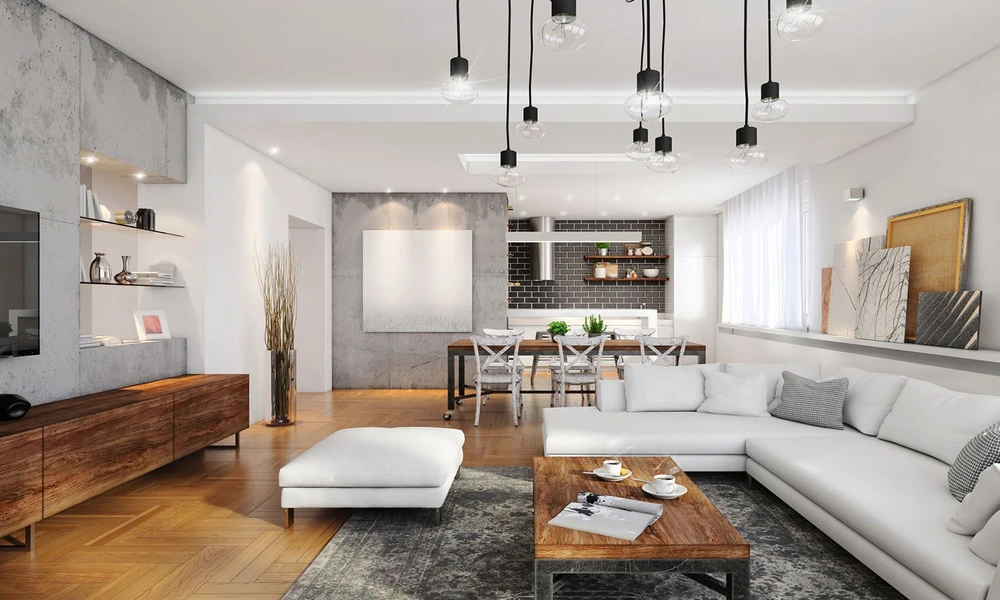
The right lighting doesn’t just illuminate a space; it transforms it. When carefully coordinated with architecture and furnishings, lighting becomes an invisible hand guiding how we perceive, use, and feel about a room.
The Role of Lighting in Architectural Harmony
Architectural features, from exposed beams to sculpted ceilings, are the backbone of a space’s personality. Lighting draws attention to these elements and, when used effectively, heightens their impact.
How Lighting Shapes Spatial Perception
A well-placed fixture can make a low ceiling appear higher or pull walls closer for an intimate setting. Indirect lighting softens harsh lines, while accent lights can highlight unique contours and textures that might otherwise go unnoticed.
Integrating Light with Structural Features: Beams, Walls, and Ceilings
Recessed lighting along beams brings out the rhythm of a room’s structure. Wall washers gently illuminate surfaces, turning blank expanses into design statements. Cove lighting on ceilings adds depth, introducing an ethereal glow that changes with the time of day.
Case Study: Lighting Accentuating Architectural Details in a Modern Loft
Consider a modern loft with industrial bones. Exposed brick and steel girders are easy to overlook without the right lighting. Linear LEDs tucked along the beams not only celebrate the loft’s heritage but also guide the eye through the space, shaping a narrative of old meeting new.
Coordinating Lighting with Furniture Design
A thoughtfully lit room is never an afterthought. The dialogue between light and furniture determines whether a space feels harmonious or haphazard.
Understanding Material Impact: Wood, Metal, Glass, and Fabrics
Furniture materials play a dramatic role in how light interacts with a room. Polished metals reflect and scatter, amplifying brightness. Matte woods absorb warmth, creating cozy corners. Glass tops shimmer under pendant lights, while textiles soften and diffuse illumination.
Scale and Proportion: Matching Light Fixtures to Furniture Dimensions
Oversized fixtures dwarf small tables; delicate lamps disappear next to chunky sofas. The secret lies in echoing shapes and balancing volumes. A sculptural chandelier above a grand dining table invites conversation, while streamlined task lamps complement minimalist desks.
Case Study: Creating Cohesion in a Boutique Hotel Lobby
Picture a boutique hotel lobby where velvet seating glows beneath golden sconces, and marble counters are spotlighted with crisp, cool LEDs. The interplay of textures and temperatures is choreographed to welcome guests and set a tone of tactile luxury.
Color Temperature and Mood Alignment
Lighting color is rarely neutral. It sets the emotional register for a room and interacts with both architectural finishes and furniture palettes.
Warm vs. Cool Lighting in Relation to Furniture and Architecture
Warm lighting (2700K-3000K) flatters wood grains and earth-toned fabrics, evoking comfort and relaxation. Cool lighting (3500K-5000K), on the other hand, energizes glass and metal, heightening a space’s crispness and clarity.
Dynamic Lighting Solutions for Flexible Spaces
Multi-use environments benefit from tunable LEDs and smart controls. These allow seamless shifts from focused work light to ambient evening glow, always in sync with the space’s function and mood.
Case Study: Adaptive Lighting in a Multi-Use Office Environment
A collaborative office integrates daylight sensors and color-tuning fixtures. As meetings transition from brainstorming to presentations, the lighting adjusts accordingly, supporting productivity and well-being throughout the day.
Layering Light to Enhance Functionality and Aesthetics
Single-source lighting is rarely enough. Layering, combining ambient, task, and accent light, elevates a room from basic to breathtaking.
Ambient, Task, and Accent Lighting Explained
– Ambient: The foundational glow, setting the stage.
– Task: Focused light for reading, cooking, or working.
– Accent: Highlights focal points and adds drama.
Strategic Placement for Visual Comfort and Style
Too much glare or shadow can tire the eyes. Carefully placing fixtures at multiple heights, and adjusting their intensity, ensures a balanced, visually comfortable environment.
Case Study: Layered Lighting in a High-End Residential Interior
In a luxury home, discreet ceiling cans provide general illumination. Pendant lights over the kitchen island offer clarity for chopping vegetables, while under-cabinet LEDs highlight the marble backsplash, turning it into a piece of art.
Lighting Control Systems and Smart Integration
Technology is redefining how we interact with light, blurring the boundaries between architecture, furniture, and user experience.
Benefits of Automation for Architectural and Furniture Coordination
Automated scenes can sync with natural light, adjust for specific activities, or showcase furniture at its best. Integration with design preserves the intent, whether for entertaining or relaxing.
User Experience: Intuitive Controls for Ambiance Adjustment
Wall panels, mobile apps, even voice commands, all offer seamless, user-friendly control over light levels and color, enhancing daily living without visual clutter.
Case Study: Smart Lighting in a Contemporary Art Gallery
A gallery uses programmable LEDs to shift between daylight-mimicking displays and focused spotlights, protecting artwork while adapting for evening events and installations.
Sustainable and Energy-Efficient Lighting Choices
Design that looks good should also do good. Energy-efficient fixtures and responsible sourcing are now non-negotiables for many designers.
Selecting Fixtures that Complement Design and Reduce Footprint
LEDs and low-consumption bulbs now come in a variety of styles, from vintage Edison to ultra-modern strips, ensuring sustainability never means compromising on style.
Balancing Aesthetics with Environmental Responsibility
Choosing fixtures made from recycled or responsibly harvested materials aligns with eco-friendly architecture and furniture, creating a unified story of sustainability.
Case Study: Eco-Conscious Lighting Design in a Commercial Space
A forward-thinking office reduces its carbon footprint by installing daylight-harvesting sensors and fixtures crafted from recycled metals, proving that sustainability and sophistication can go hand in hand.
Challenges and Solutions in Lighting Coordination
The path to perfect lighting is rarely straightforward. Glare, clashing styles, and poor placement can sabotage even the best designs.
Overcoming Common Pitfalls: Glare, Shadows, and Clashing Styles
Diffusers, dimmers, and strategic fixture selection resolve most issues. The key? Early collaboration between architects, designers, and lighting specialists.
Collaboration Between Architects, Designers, and Lighting Experts
Open dialogue fosters creative solutions, ensuring lighting enhances rather than detracts from both structure and style.
Case Study: Resolving Lighting Conflicts in a Renovated Heritage Building
In a historic property, modern fixtures threatened to clash with period details. By working together, the team selected contemporary pieces in classic finishes, bridging old and new with sensitivity and flair.
Future Trends in Lighting and Interior Integration
What is next for lighting design? Technology, personal preference, and sustainability continue to converge in new and surprising ways.
Emerging Technologies Impacting Architectural and Furniture Lighting
OLED panels, circadian rhythm lighting, and invisible recessed fixtures are reshaping the aesthetic and function of interior spaces.
Predicting User Preferences and Design Innovations
Expect demand for bespoke controls, adaptive ambiance, and eco-friendly materials to accelerate, pushing brands and manufacturers to innovate.
Case Study: Experimental Lighting Concepts in a Futuristic Workspace
A visionary co-working hub installs responsive lighting that changes based on occupancy and task, merging digital intelligence with design. For inspiration, experts often reference Avant-Scene lighting for its thoughtful approach to harmonizing modern technology with architectural intent.
Lighting, when thoughtfully coordinated, becomes more than illumination. It is the silent partner in the dance between architecture and furniture, shaping spaces that are as beautiful as they are functional.
