

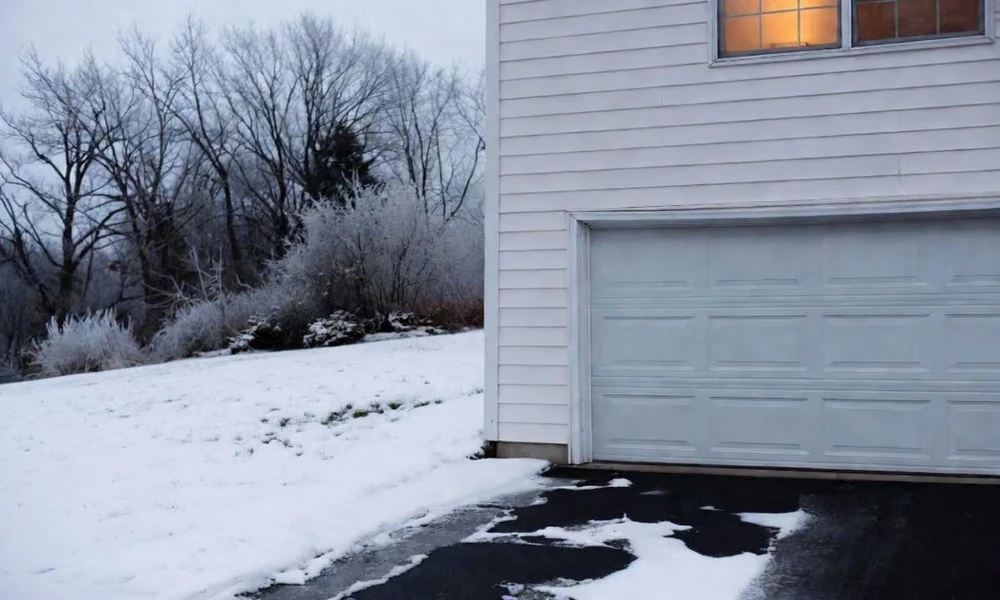
Cold air changes how a garage door behaves. Steel springs lose some flexibility as temperatures drop, lubricants thicken, rubber seals stiffen and crack, and an opener that barely coped in September can start stalling on the first frosty morning. None of this happens overnight, but the strain shows up all at once when the weather turns.
Autumn is the sensible window to get ahead of it. The days are mild enough to work in the garage comfortably, parts are easy to schedule, and small issues are still small. In central North Carolina, the season also overlaps with the last stretch of hurricane season, which runs through the end of November, so fall checks double as storm readiness.
Some of what follows is easy weekend work, and some of it belongs with an insured professional who can put numbers on the table before touching a wrench. For homeowners who want the second kind of help, Garage Doors Repair in Franklinton from Door Dummies pairs transparent upfront pricing with fully insured tune ups and safety inspections, plus spring, cable, roller, and opener work when an inspection turns something up. The family run team covers Franklinton, Youngsville, Knightdale, Zebulon, Clayton, and the wider Triangle. Book a fall tune up online before the first cold snap and let them flag worn parts while the fix is still a scheduled visit rather than an emergency.
1. Clear the Tracks and Threshold
Leaves, pine needles, and grit blow into garages all fall, and they collect in the vertical tracks and along the floor where the door seals. Debris in the tracks makes rollers skip or bind, which the opener reads as resistance. Debris at the threshold keeps the door from sealing, so it may reverse or leave a gap.
Wipe the inside of both tracks with a dry rag, sweep the landing zone, and check that nothing is packed around the floor stop. Do not grease the tracks afterward. A clean, dry track lets rollers do their job without collecting new dirt.
2. Rethink Your Lubrication
A thick automotive grease that seemed fine in summer can turn tacky in the cold and make every cycle harder on the motor. Garage door specific sprays, usually lithium or silicone based, stay thin across a wider temperature range.
Apply a light coat to hinge pivots, roller bearings, the torsion spring coils, and the opener’s rail if your manual calls for it. Wipe away excess. A door that opens more smoothly also puts less load on the springs, which matters in the next point.
3. Refresh the Seals
The rubber strip on the bottom of the door takes the most abuse of any seal on the house. It gets crushed hundreds of times a year, baked in summer heat, and then stiffens as it cools. Look for cracks, flattened sections, or daylight showing under the closed door.
Most bottom seals slide into a retainer channel and can be replaced in under an hour. Check the vinyl weatherstripping along the sides and top of the frame as well. A tight perimeter keeps out cold drafts, rodents looking for winter shelter, and wind driven rain.
4. Test the Balance Before It Gets Cold
Springs are the part most likely to fail in winter. Cold makes steel slightly more brittle, and a spring already near the end of its rated cycles often gives out on a chilly morning with a loud bang.
With the door closed, pull the opener’s release cord and lift the door by hand to about halfway. A properly balanced door stays in place. If it drops or rises on its own, the springs need adjustment or replacement. That work involves stored tension strong enough to cause serious injury, so leave it to a technician, and expect both springs to be replaced together if they are the same age.
5. Look Closely at Cables and Bottom Brackets
Humid summers leave their mark on the steel near the floor. The lift cables and the bottom brackets they attach to sit closest to moisture and road salt tracked in on tires, so rust starts there first.
Look for fraying strands, kinks, or cables that sit looser on one side than the other. Rusted brackets can let go under tension, and a single failed cable will often pull the door crooked and off its tracks. These are professional repairs, but spotting the early signs is easy and worth doing every fall.
6. Retest the Safety Features
Condensation and fog can cloud the photo eye lenses near the floor, and a slightly bumped bracket is enough to throw them out of alignment. Clean both lenses and confirm the indicator lights are steady.
Then test the mechanical reversal. Lay a flat piece of 2×4 lumber on the floor under the door and close it. The door should reverse after touching the board. If it does not, the force or travel settings need attention before anyone relies on it through the winter.
7. Prepare for Wind and Power Loss
Late season tropical storms and winter wind events both put real pressure on a garage door, which is usually the largest opening in a house. If the door flexes noticeably in strong wind, ask about reinforcement struts or retrofit bracing, and keep wind load ratings in mind if a replacement is on the horizon.
Storms also knock out power. Make sure everyone in the house knows how to use the manual release and can lift the door safely. Many current openers include a battery backup that runs a limited number of cycles during an outage. If yours has one, check the battery’s age, since most need replacing every few years.
8. Decide Whether Insulation Is Worth It
A garage that doubles as a workshop, gym, or laundry space, or one with a bedroom above it, can feel very different depending on the door. Uninsulated single layer steel does little to hold heat. Insulated doors with polystyrene or polyurethane cores offer meaningfully higher R-values, with polyurethane generally leading.
Retrofit insulation kits exist for existing doors, but they add weight, which throws off spring balance unless the springs are adjusted to match. If the door is older and already showing wear from the points above, autumn is a practical time to price a replacement insulated door rather than patching an aging one through another season.
