

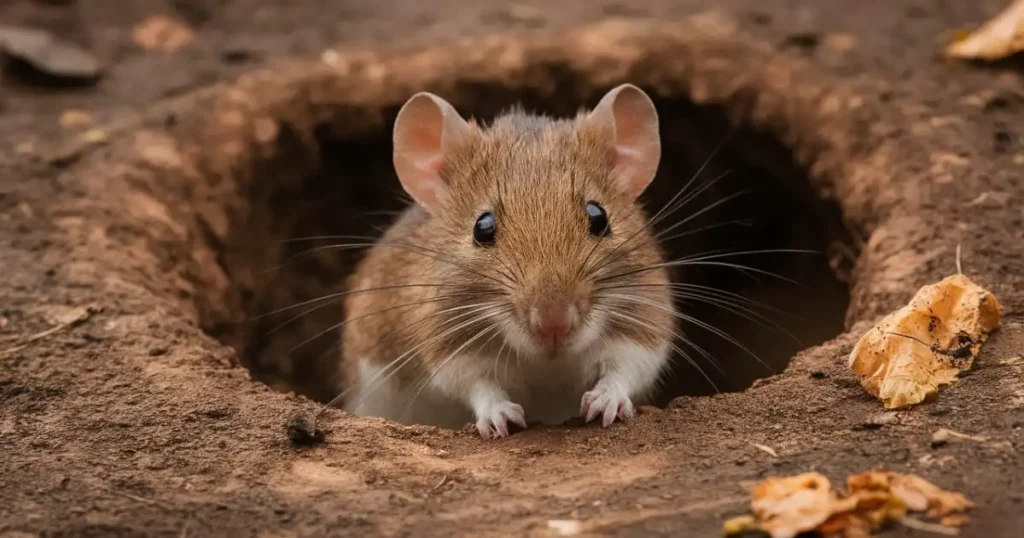
Mice are among the most unwelcome visitors in Flower Mound. These pests can damage property and pose health risks to humans. Sadly, a mouse infestation can happen if homeowners do not take preventive measures. If you are dealing with mice, it could be easier to manage the issue when you know how long it might last. Mice may look small and fragile, but they survive in many conditions and adapt easily. Their life span ties closely to food access, shelter, and safety, all of which many homes provide. That is why homeowners should turn to Romney Pest Control whenever they spot even a few mice inside their home or property.
Average Lifespan of a House Mouse
Most house mice live about one year in the wild. Some last less time due to predators, weather, or lack of food. Mice may survive closer to two years in sheltered spaces like homes. This may not seem long, but mice can cause damage, spread germs, and raise stress levels during this time. Plus, mice reproduce fast, so their population can grow quickly if not managed as soon as possible.
Why Indoor Mice Live Longer
Homes in Flower Mound offer comfort that mice do not find outdoors. Indoor spaces stay warm, dry, and free from predators. Food remains easy to find in kitchens, pantries, and garages. Mice that avoid harsh weather and threats have a higher chance of survival. This leads to longer lives and steady activity year-round.
The Role of Food and Water
Food access can influence how long mice live. A steady supply of crumbs, pet food, or trash supports health and survival. Water from leaks, pet bowls, or condensation also meets their needs. Mice do not need much to survive. Small amounts of food each day support them well.
How Breeding Changes the Big Picture
Mice breed early and often. A female mouse may have several litters each year, with multiple pups per litter. Young mice reach maturity within weeks. Even if one mouse lives a year, dozens may appear during this time.
Seasonal Effects on Mouse Survival
Outdoor mice face more risks during hot summers and cold snaps. Weather changes in Flower Mound can drive mice indoors during cooler months or heavy rain. Their survival rates increase once they are inside. Indoor mice do not face the same seasonal stress. Climate control removes the struggle for warmth or shade.
Predators and Threats Indoors
Mice deal with owls, snakes, cats, and other threats outside. But these dangers drop off indoors. Some homes have pets, but many mice learn to avoid them with time. Their main indoor threats are traps and poison. But mice roam with little risk when homes lack these measures.
Nesting Sites and Safety
Mice choose nesting spots that feel safe and hidden. They get cover from wall voids, insulation, storage boxes, and clutter. They build nests using soft materials like paper, fabric, or insulation. A secure nest protects mice from noise and light. It also keeps young mice safe, which boosts survival rates.
Health and Stress Factors
Stress affects lifespan in all animals. Mice under constant threat or with limited food live shorter lives. But stress stays low in calm indoor spaces with sufficient resources. Low stress supports immune function and breeding success.
What Shortens a Mouse’s Life Indoors
Mice are less likely to survive for a long time if they do not have access to food and cannot enter homes. Also, their survival chances are lessened when traps are placed strategically inside a home. Regular inspections help catch mouse activity early.
Why Lifespan Should Not Bring Comfort
Knowing that mice live about one to two years should not ease concern. One mouse can lead to many within a short span. The problem does not end on its own in most cases. The mild weather and well-built homes in Flower Mound support mouse survival.
