

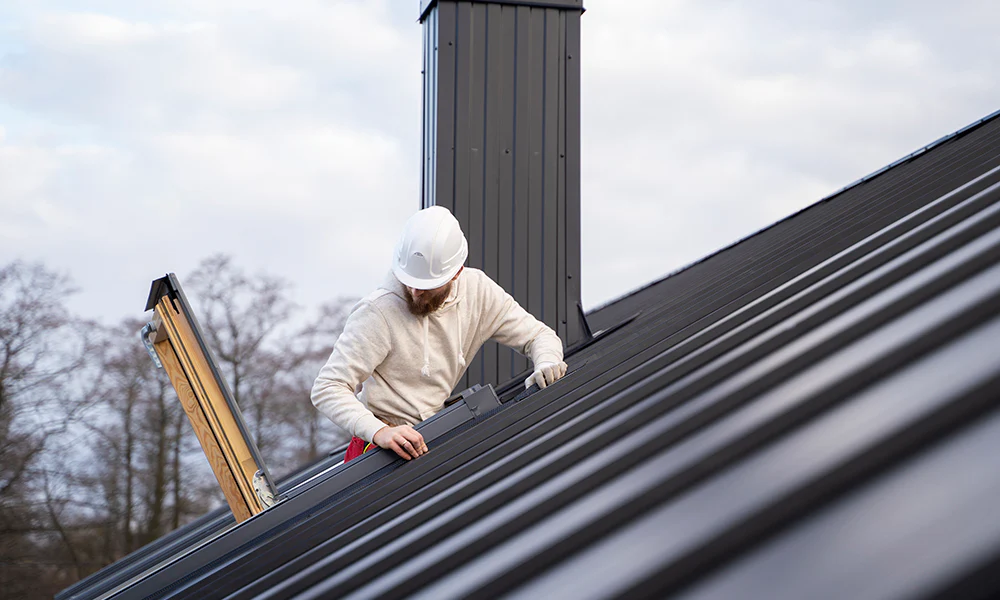
Your home’s roof is a significant investment and a crucial component that protects your most valuable asset. But with an array of materials on the market, each promising different benefits, how do you choose the right one for your home? Making an informed decision is vital for long-term protection, aesthetic appeal, budget management, and overall property value.
This guide will walk you through the key factors to consider and compare popular roofing materials, helping you understand what makes one choice better than another for your specific needs.
Key Factors to Consider When Choosing Roofing Material
Before you even look at samples, it’s essential to understand the different elements that will influence your best choice.
Climate & Weather Resilience:
Our climate, with its heavy snow loads, potential for ice dams, harsh freeze-thaw cycles, high winds, and occasional hail, demands a roof that can withstand extreme conditions. Consider how each material performs under these stresses, as well as its resistance to UV exposure and wide temperature swings.
Lifespan & Durability:
How long do you expect your roof to last? Some materials offer a lifespan of decades, while others may require replacement much sooner. Durability also refers to a material’s resistance to wear, tear, and degradation over time.
Cost (Upfront vs. Long-Term):
The initial installation cost is just one piece of the puzzle. Factor in the long-term cost of ownership, which includes maintenance, potential repairs, energy savings (or lack thereof), and how the material might impact your home’s resale value.
Maintenance Requirements:
Are you prepared for regular cleaning, inspections, and potential repairs? Some materials are virtually maintenance-free, while others demand consistent attention to ensure their longevity.
Aesthetics & Curb Appeal:
Your roof takes up a significant portion of your home’s visible exterior. The material, color, texture, and profile you choose will dramatically influence your home’s architectural style and overall curb appeal.
Energy Efficiency:
A well-chosen roof can significantly impact your heating and cooling bills. Look at a material’s reflectivity and insulation properties, as these directly affect heat gain in summer and heat loss in winter.
Environmental Impact:
For homeowners with an eye on sustainability, consider materials made from recycled content or those that are fully recyclable at the end of their life.
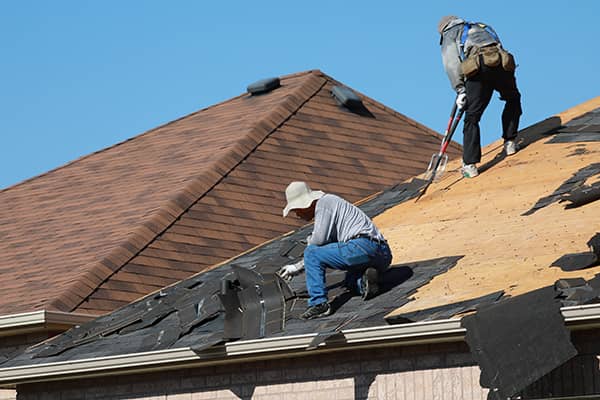
Popular Roofing Materials: A Comparative Look
Let’s dive into some of the most common roofing materials and their pros and cons.
Metal Roofing: The Modern, Durable Choice
Often considered a premium option, metal roofing excels in performance and versatility.
Pros:
- Exceptional Durability & Lifespan:Metal roofs can last 50 years or more, easily shrugging off severe weather including heavy snow, ice, high winds, hail, and even fire.
- Superior Energy Efficiency:Highly reflective properties can significantly reduce your home’s cooling costs in summer. Some finishes are specifically designed as “cool roofs.”
- Low Maintenance:Naturally resists moss, mildew, and won’t crack, curl, or rot.
- Versatile Aesthetics:Available in a vast array of styles—from sleek standing seam panels to metal shingles that mimic traditional slate or tile, and even corrugated designs. A wide spectrum of colors allows for any architectural style.
- Eco-Friendly:Often made with a high percentage of recycled content and are 100% recyclable at the end of their very long life.
Cons:
- Higher upfront cost compared to asphalt.
- Requires specialized, professional installation.
Best Suited For: Homeowners prioritizing longevity, significant energy savings, minimal maintenance, and a modern or highly durable aesthetic.
Asphalt Shingles: The Common Choice
Asphalt shingles are the most prevalent roofing material due to their accessibility and lower initial cost.
Pros:
- Lower upfront installation cost.
- Widely available and relatively easy to install.
- Come in a decent variety of colors.
Cons:
- Shorter lifespan (typically 15-30 years, depending on quality and climate).
- Prone to cracking, curling, and granular loss due to UV exposure and freeze-thaw cycles.
- Can be damaged by high winds and hail.
- Less energy-efficient compared to reflective options.
- Requires more frequent replacement, leading to higher long-term costs and landfill waste.
Best Suited For: Homeowners on a strict budget who might be willing to sacrifice long-term durability and energy efficiency for lower upfront expense.
Cedar Shakes/Shingles: The Natural Aesthetic
Cedar offers a distinctive, rustic look that many homeowners find appealing.
Pros:
Natural beauty, unique aesthetic, and decent insulation properties.
Cons:
- High initial cost.
- Requires significant maintenance, including regular cleaning, treatments to prevent rot and moss, and frequent repairs.
- Shorter lifespan than metal (20-40 years, only with meticulous maintenance).
- Can be a fire risk if not treated with fire retardants.
Best Suited For: Homeowners seeking a very specific, traditional aesthetic and who are prepared for high maintenance commitments.
Clay/Concrete Tiles: The Timeless & Heavy Duty Option
These materials offer incredible durability and a classic, often Mediterranean or Spanish, aesthetic.
Pros:
Extremely durable with a very long lifespan (50-100 years), fire-resistant, and visually distinctive.
Cons:
- Very heavy, often requiring structural reinforcement of the roof framing, which adds significant cost.
- High initial cost.
- Can be brittle and prone to breaking from hail impact or foot traffic.
- Challenging installation due to weight and fragility.
Best Suited For: Specific architectural styles where their weight can be accommodated, and for homeowners looking for a multi-generational roof solution.
The Installation Factor: Why it Matters
Regardless of the material you choose, the quality of the installation is paramount. Even the highest-grade material will underperform or fail prematurely if not installed correctly.
Expert installers understand local building codes and climate-specific techniques, ensuring crucial elements like underlayment and ventilation are properly integrated. These underlying components are vital for both the material’s performance and your home’s overall energy efficiency. Always choose a reputable contractor who stands behind their work with a strong workmanship warranty.
Making Your Decision
Choosing the right roofing material is a significant decision. It’s about more than just the initial price tag; it’s about the total cost of ownership, long-term performance, how it contributes to your home’s energy efficiency, and its aesthetic impact.
While upfront costs might vary, materials like metal roofing consistently offer the best balance of longevity, energy savings, low maintenance, and versatile aesthetics, making them a wise long-term investment for most homes.
Ready to explore the best roofing material for your home? Think about what truly matters to you – longevity, energy savings, aesthetics, or minimal upkeep.
